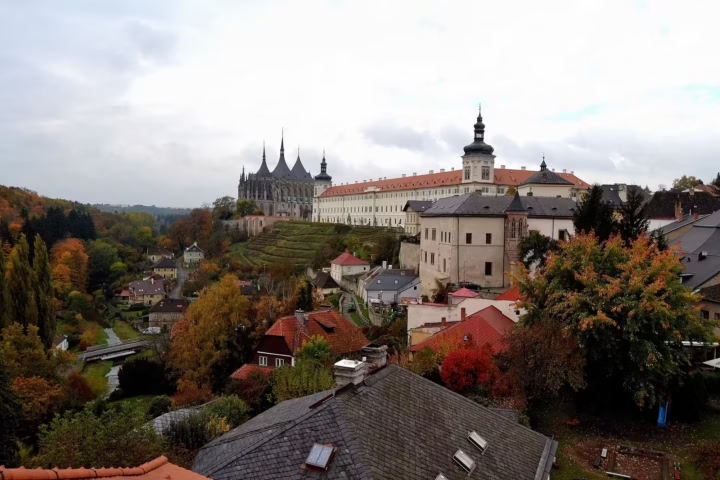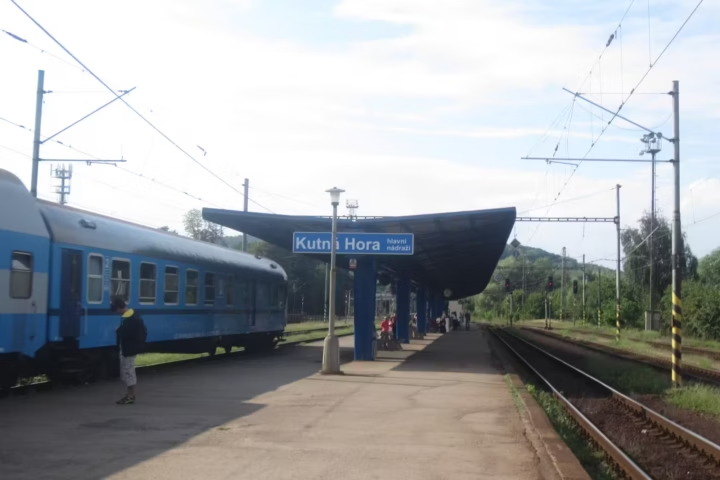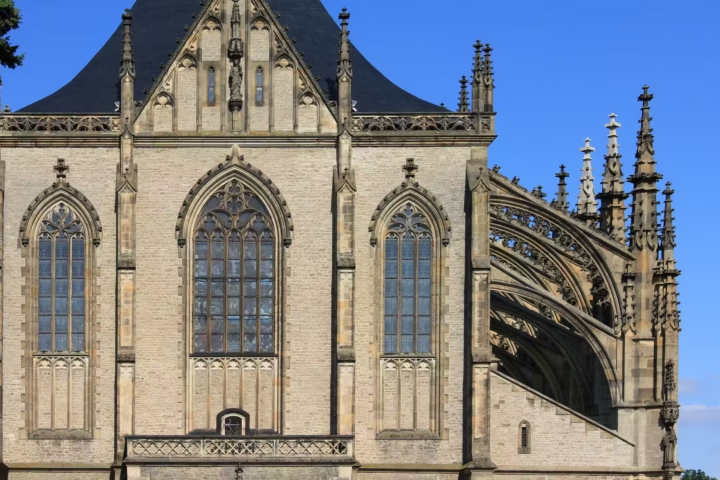
You type “dark retreat Europe” into a search box late at night and get a map full of pins, photos of wooden huts and a dozen websites that all promise peace and quiet. So which one? Lenka and I have been running a dark retreat near Kutná Hora in the Czech Republic since 2013, and people from abroad ask us this so often that we decided to write the honest answer down – including the parts that have nothing to do with us.
Where the dark retreat centres in Europe actually are
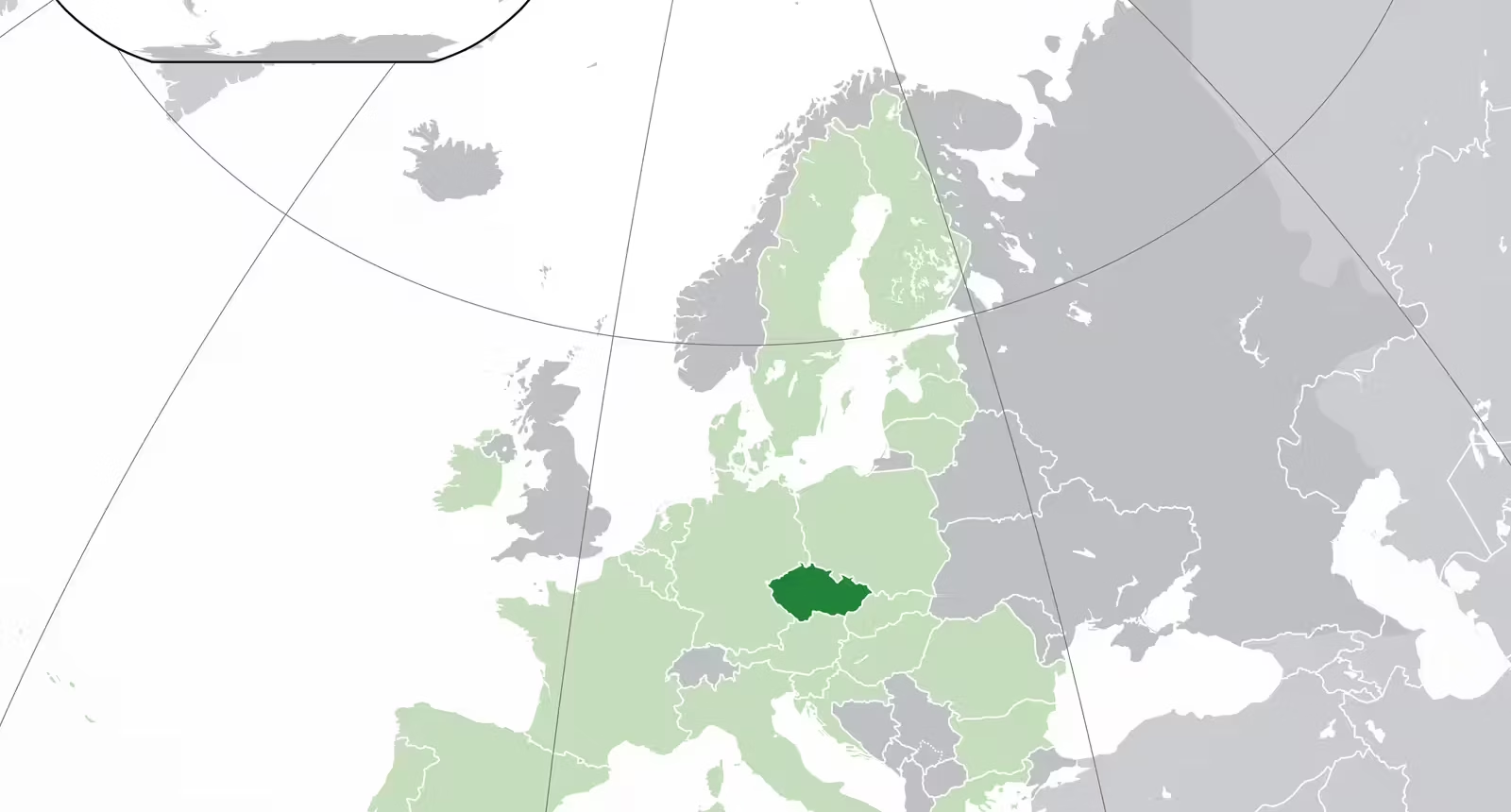
We keep an informal overview of centres in Central Europe – partly out of curiosity, partly because people keep asking. Of the roughly 45 dark retreat centres we know of in Central Europe, more than half are in the Czech Republic. The rest is spread quite thinly:
| Country | Centres we know of (roughly) |
|---|---|
| Czech Republic | about 26 |
| Slovakia | about 10 |
| Germany | 5 |
| Austria | 2 |
| Poland | 2 |
This is not an official census. New places open, some close, and outside Central Europe we simply don’t keep track. But the shape of the map is clear: if you want to choose between several places without crossing half the continent, you will most likely end up looking at Czechia. Why it turned out this way is a story of its own – we wrote it up in why the Czech Republic has so many dark retreats.
A room in a house, or a cabin of your own?
Photos won’t tell you much, because a dark room looks the same in every picture: black 🙂 What matters is how the space is built. Roughly, you will come across three set-ups:
- A darkened room inside a house or a retreat centre. Often the simplest option and fine for a night – but you share walls with people living a normal, noisy day next door.
- A separate cabin in a garden. More quiet, more privacy, and the darkness doesn’t depend on somebody remembering to switch off the hallway light.
- A cabin with everything inside – toilet, shower, water, a kettle. You never need to step out into the light, so a week stays a week instead of turning into a series of interruptions.
We went for the third option. Our five cabins stand in an orchard in Lomec, a village of about 30 people. Each has its own shower and toilet, a kettle, a wooden bed 200 × 90 cm, a mat and a meditation cushion. You can see the details on our cabins page.
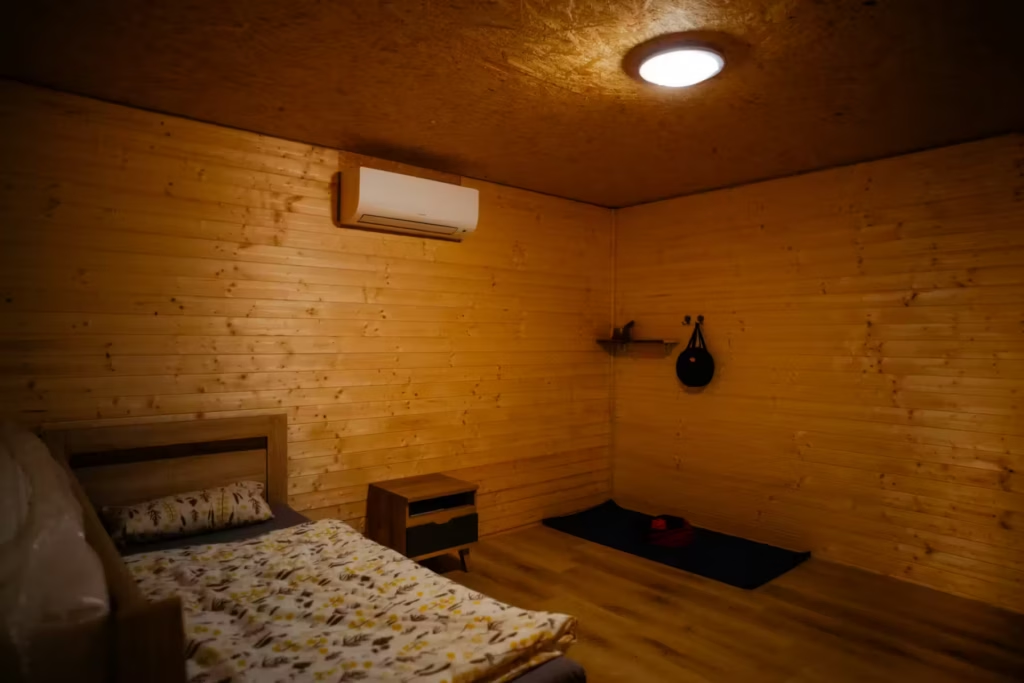
Whatever you choose, check three technical things. Is the darkness really total – can you see your hand in front of your face? How does fresh air get in without any light? And how is the space heated or cooled? Air conditioning sounds trivial until you notice that almost every unit has a little glowing light somewhere. Making ours stay completely dark was, let’s say, an interesting project. The ventilation runs with heat recovery, and you switch it yourself at the door.
Questions worth asking before you book a dark retreat
A good centre will answer these calmly. If the answers are vague, that tells you something too.
- Can I end the stay at any time? The answer should be a plain yes. Nobody should lock you in – the light switch and the door are yours, and knowing that makes it much easier to stay.
- How far away is the person looking after me? We live in a log house 50 metres from the cabins, and one of us comes by with food every day. Having someone close makes the first nights a lot calmer.
- How does food reach me in the dark? With us, vegetarian meals for the whole day go into a small entrance room of the cabin, so they can be handed over without a ray of light. You can also bring your own food or fast – then you simply don’t have to think about meals at all.
- Do they ask about my health before I come? They should. Darkness isn’t for everyone, and a serious centre says so openly. Here is who a stay in the dark is not for, so you can decide with a clear head.
- Which language will we speak? You will be mostly alone, but the talks before and after matter. We speak Czech and English, Tom answers the phone in English, and we write e-mails in German too – so nothing gets lost in translation.
- What do I bring, and what stays at home? Strong perfume and chemical shower gels are a bad idea in a small closed space. A centre that tells you this before you pack has clearly thought things through.
- What if I need to cancel or move the date? Read the terms before you pay, not afterwards – it saves you a nervous e-mail later.
One night, three nights or a week?
Most centres offer several lengths. With us it’s one night, three nights or a week, and longer stays in multiples of a week. About 80 % of people choose the week. That number isn’t marketing – it’s simply what people end up booking once they’ve thought about it.
If you travel from abroad, the journey changes the maths. Spending two days on trains for a single night in the dark is possible, but it feels a bit like flying to Italy for one espresso. Three nights is a good first step. Just be warned: around 80 % of people who come for three nights tell us on the last morning that it was too short.
A participant we’ll call Marit came for three nights, sure she would be bored. She mostly slept through the first day, then time melted, and on the last morning she said what most people say: “That was easier than I imagined – and far too short.” Not a rule, but it happens. More on choosing the length in one night, three nights or a week.
What a dark retreat in Europe costs, roughly
Prices depend on the country, the length, the type of space and, above all, on what’s included. So when you compare, compare whole packages, not single numbers:
- Is food included – and is it brought to you, or do you have to sort it out yourself in the dark?
- Is bedding included, or does it take up half your suitcase?
- Is there a pick-up from the station, and does it cost extra?
- Is the price final, or will small extras turn up on the bill?
For orientation: a week with us costs €595 including vegetarian food, three nights €289. Bedding and the pick-up from the station are included, and the price is final. Current prices are always on the prices page, and now and then we have a last-minute date. Travel and a hotel in Prague before or after are, of course, separate – we look at the whole budget in what a dark retreat costs.
So how do you choose?
Our honest advice: first decide what you want from the time – a short taste, or a real week. Then narrow it down by how you’ll travel, and only then compare photos. Write to two or three centres and watch how they answer. The way people reply to your questions before you arrive is a fair preview of how they will look after you once you’re in the dark.
If you’d like to see how it works with us, start with how a dark retreat with us works, or look at the next free dates:
- Cabin of Freedom is available from 28 Oct 2026 −15 % · Last minute: arrival within 7 daysBook 3 nights ·
289246 - Cabin of Health is available from 31 Oct 2026 −15 % · Last minute: arrival within 7 daysBook 7 nights ·
595506Book 3 nights ·289246 - Cabin of Health is available from 4 Nov 2026Book 3 nights
- Cabin of Love is available from 7 Nov 2026Book 7 nightsBook 3 nights
- Cabin of Peace is available from 11 Nov 2026Book 3 nights
See you in the dark – Tom & Lenka
P.S. If a centre describes its darkness as “almost total”, ask politely what the “almost” is 🙂